Portable radios and field equipment organized inside an emergency response vehicle

Continuity & Response Readiness

Emergency Preparedness

Practical planning that helps public safety agencies sustain essential operations, communicate through disruption, coordinate resources, recover critical capabilities, and prepare personnel for emergencies before they occur.

Prepared for Disruption

Keep essential operations connected when normal conditions change.

Emergency preparedness depends on more than a written plan. Personnel must understand essential functions, decision authority, communication responsibilities, backup options, resource needs, partner relationships, alternate arrangements, and the actions required to sustain and restore service during disruption.

MTM Solutions helps agencies connect continuity planning with emergency communications, backup systems, disaster recovery, incident coordination, response procedures, resources, and exercises. Support can address one immediate need or bring those elements together within a coordinated preparedness program.
Core Capabilities

Focused support shaped around operational reality.

01

Continuity of Operations (COOP)

Planning that helps agencies identify essential functions, responsible personnel, alternate arrangements, communication needs, dependencies, decision authority, recovery priorities, and the conditions for sustaining critical operations.

02

Emergency Communications Planning

Development or review of the communication structure, responsibilities, channels, technologies, notifications, partners, escalation paths, information flow, and coordination practices needed during emergencies.

03

Backup Communications

Planning for alternate radio, telephone, data, satellite, mobile, facility, and field communication options when primary systems, sites, connectivity, or normal operating arrangements are unavailable.

04

Disaster Recovery Planning

Structured preparation for restoring critical communications systems, technology, facilities, information, support, and operational capability after a disruption or damaging event.

05

Incident Communications

Planning support for incident communication roles, command relationships, interoperable resources, field coordination, channel use, information exchange, documentation, and communication with supporting organizations.

06

Emergency Response Procedures

Clear procedures for activation, notification, escalation, responsibilities, communications, relocation, continuity, resource requests, coordination, documentation, recovery, and return to normal operations.

07

Resource Coordination

Preparation for identifying, requesting, tracking, assigning, communicating, supporting, and demobilizing personnel, equipment, facilities, communications assets, vendors, and partner resources.

08

Public Safety Exercises

Development and facilitation support for discussion-based or operational exercises that test plans, procedures, communication paths, responsibilities, coordination, decisions, and readiness within an agreed scenario and scope.

Portable radio, megaphone, flashlights, and field communication equipment prepared for deployment
Preparedness connects documented responsibilities with usable communication resources, field equipment, backup options, trained personnel, and coordinated response actions.

Preparedness Outputs

Usable plans, procedures, resources, and improvement priorities.

Each engagement is shaped around the agency's essential functions, hazards, service responsibilities, facilities, communications environment, technology, staffing, partners, resources, and existing preparedness materials.

  • Continuity of operations plan or plan updates
  • Emergency communications plan
  • Primary and backup communications framework
  • Disaster recovery priorities and responsibilities
  • Incident communications procedures and resources
  • Emergency response checklists and activation guidance
  • Resource coordination tools and documentation
  • Exercise materials, findings, and improvement priorities

Communications Continuity

Plan beyond the primary system, facility, and operating model.

Resilient operations require more than one way to communicate, coordinate, receive information, direct resources, document activity, and restore service. Preparedness makes those alternatives visible before personnel need to use them under pressure.

Continue

Protect essential functions and maintain a workable operating structure through disruption.

Communicate

Coordinate primary, alternate, mobile, field, partner, and backup communication paths.

Recover

Organize restoration priorities, responsibilities, resources, decisions, and follow-up actions.

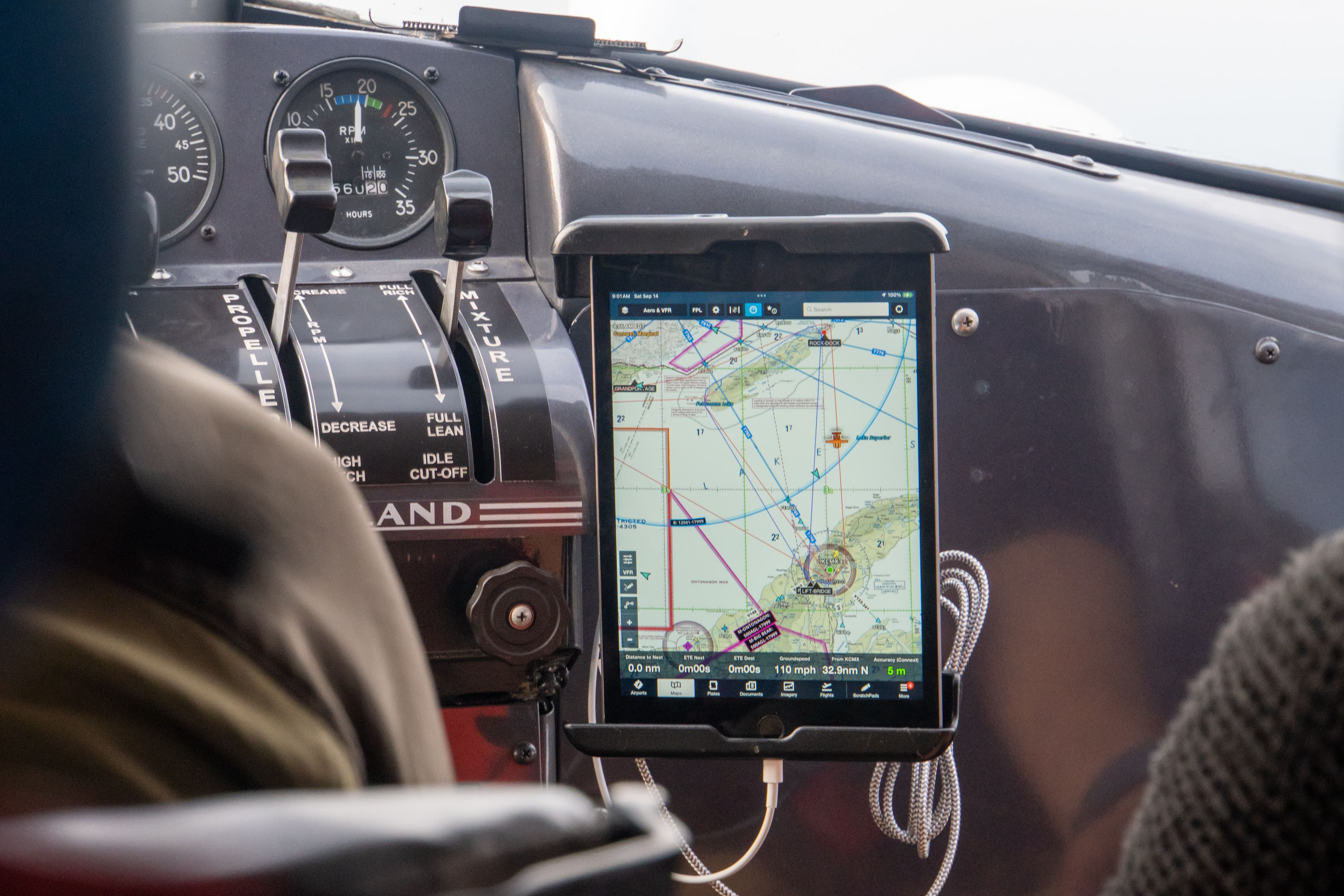
Mobile navigation and communications equipment installed in an aircraft cockpit
Continuity planning considers mobile operations, alternate locations, field communications, partner systems, and the information personnel need when normal arrangements are disrupted.

Preparedness Approach

Understand the operation, plan for disruption, and validate readiness.

MTM connects operational knowledge with continuity, communications, resource coordination, recovery planning, documentation, and exercises so preparedness can be applied in practice.

01

Understand essential operations

MTM works with agency leaders, operational personnel, technology teams, communications staff, emergency-management partners, vendors, and other stakeholders as appropriate to understand essential functions and current conditions.

02

Map risks and dependencies

Facilities, personnel, technology, radio, telephone, data, power, vendors, records, partner agencies, resource needs, alternate arrangements, and known points of vulnerability are reviewed within scope.

03

Define continuity and response actions

Activation conditions, responsibilities, notifications, communication paths, backup options, relocation, resource coordination, operational priorities, recovery actions, and decision points are organized into a practical framework.

04

Document and coordinate the plan

Plans, procedures, checklists, contact structures, communication resources, supporting materials, partner expectations, and implementation priorities are developed or updated for agency use.

05

Exercise, learn, and improve

Preparedness arrangements can be reviewed through facilitated discussion or exercises, with observations translated into corrective actions, ownership, follow-up priorities, and future readiness activities.

Related Services

Connect the right capabilities.

View all services →

Radio Communications

Plan radio coverage, infrastructure, consoles, microwave, interoperability, programming, field communications, and backup communication capabilities.

Explore Radio Communications

SOP Development

Translate preparedness expectations, responsibilities, notifications, technology use, escalation paths, and emergency actions into practical procedures.

Explore SOP Development

Training & Professional Development

Prepare personnel, supervisors, managers, technical users, and agency leaders to understand and apply emergency communications and continuity responsibilities.

Explore Training & Professional Development

Strengthen Readiness

Prepare the people, communications, and plans your operation depends on.

Talk with MTM Solutions about continuity of operations, emergency communications, backup communications, disaster recovery, incident communications, response procedures, resource coordination, or public safety exercises.