01
Dispatch Center Implementation
Planning and coordination for implementing a flight communications center, including requirements, workflows, technology, facilities, staffing considerations, vendors, testing, documentation, and readiness.

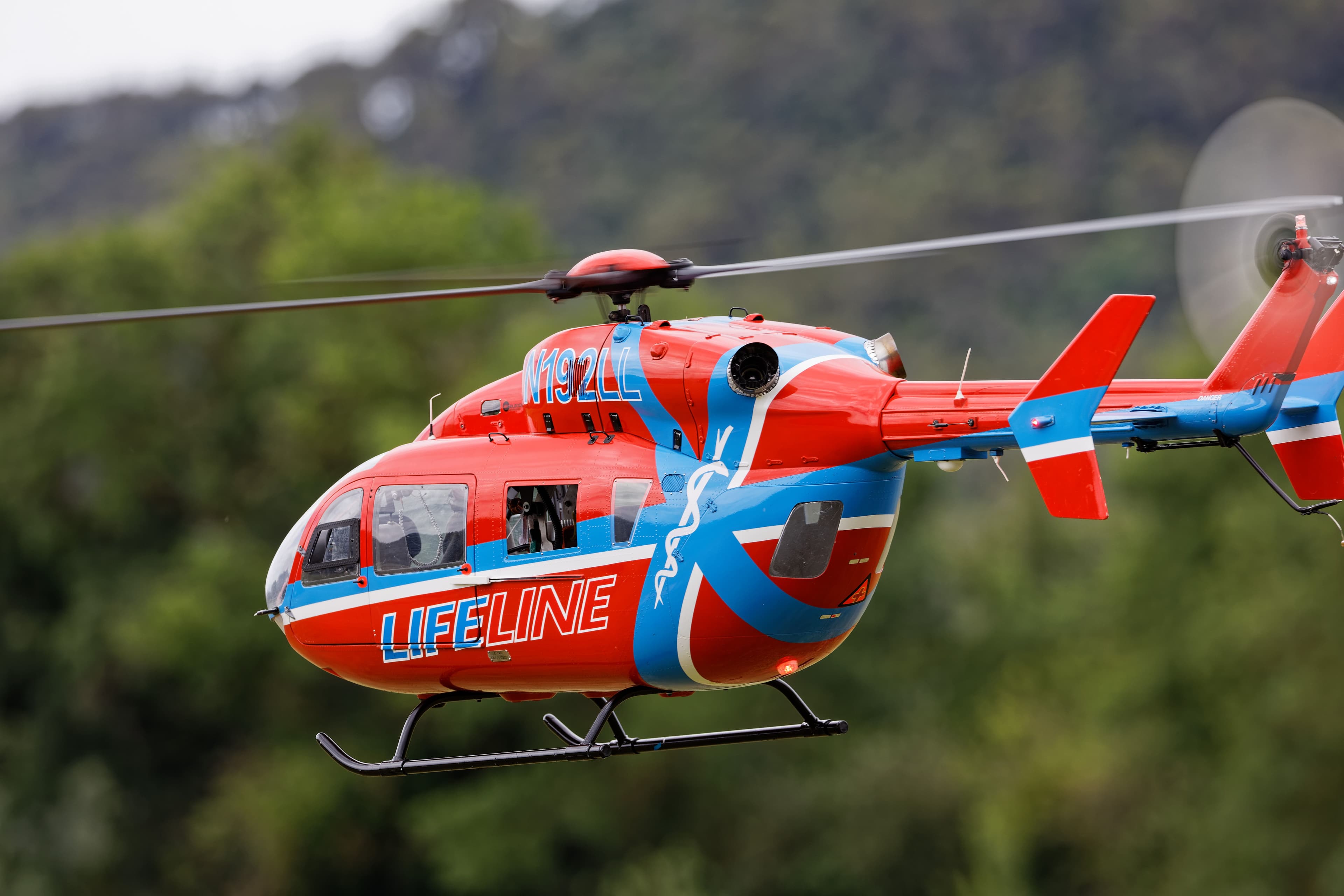
Medical Transport Communications
Operational communications expertise that helps helicopter and fixed-wing medical transport programs plan, implement, coordinate, and improve the dispatch centers, technology, radio systems, infrastructure, policies, and readiness supporting flight communications.
Connected Ground Operations
Medical transport flight programs depend on a communications operation that can coordinate aircraft activity, requests, crews, facilities, partners, radio traffic, notifications, documentation, technology, and time-sensitive decisions across changing conditions. That environment requires more than standalone dispatch equipment or isolated procedures.
MTM Solutions brings operational communications experience to the planning, implementation, and improvement of flight program communications centers. Support can address a complete center initiative or focus on assessments, infrastructure, technology selection, procurement, radio planning, policies, project management, readiness, risk, or performance improvement.
Core Capabilities
Planning and coordination for implementing a flight communications center, including requirements, workflows, technology, facilities, staffing considerations, vendors, testing, documentation, and readiness.
Review of current dispatch and communications operations, responsibilities, workflows, staffing, technology, coordination, documentation, risks, constraints, and opportunities for improvement.
Planning for the facilities, radio, connectivity, equipment, resilience, recording, interfaces, support, and infrastructure dependencies required by flight communications operations.
Support for defining operational requirements, evaluating dispatch-center technology, preparing procurement materials, comparing vendors, clarifying responsibilities, and supporting informed selection.
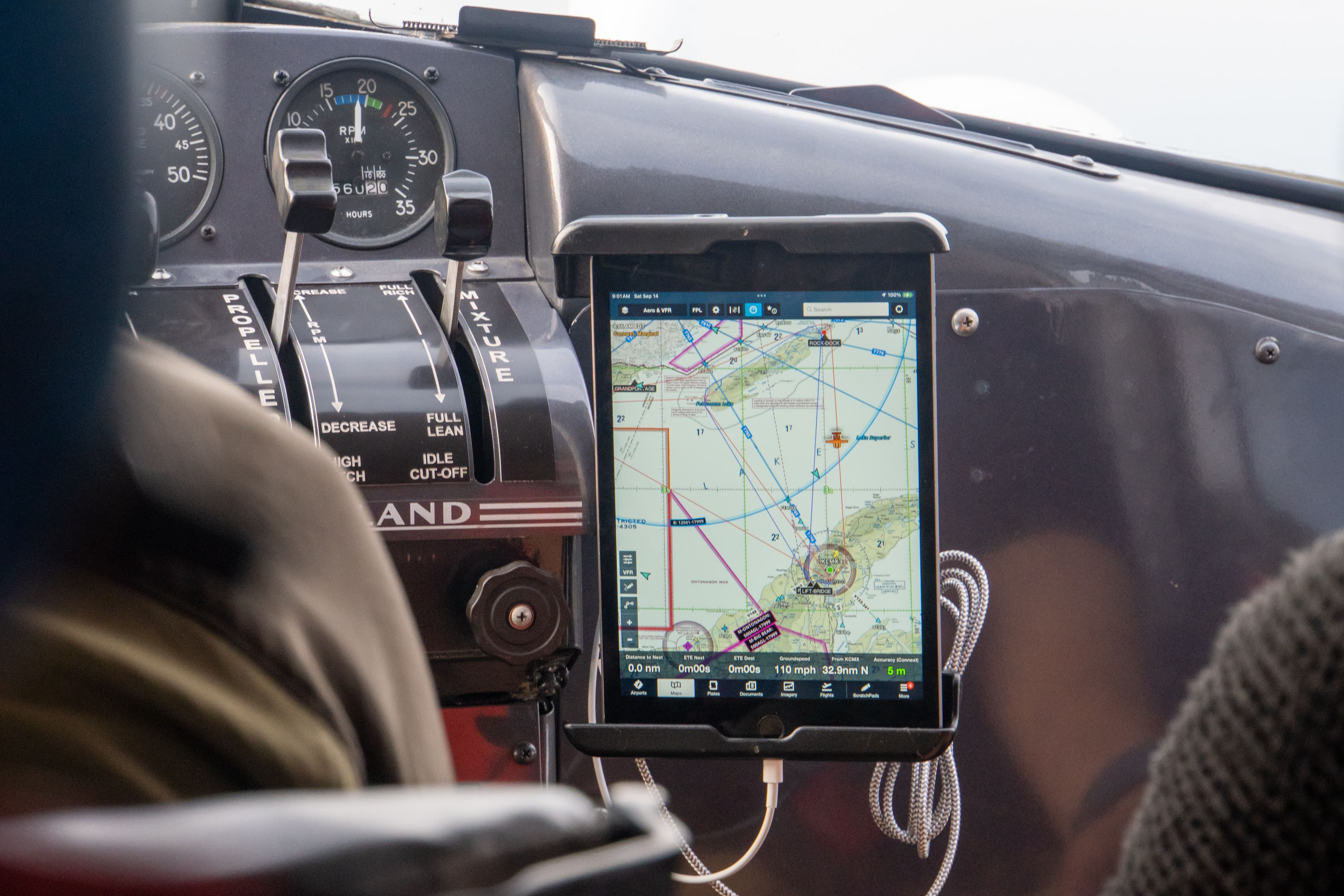
Planning support for radio coverage, channels, consoles, infrastructure, interoperability, programming, partner communications, continuity, and operational use within the flight program.
Development or review of communications policies, procedures, responsibilities, notifications, documentation, escalation, continuity, and coordination expectations for the program.
Accountable coordination across leadership, dispatch personnel, technology teams, vendors, budgets, schedules, risks, deliverables, decisions, testing, and implementation milestones.
Readiness planning and risk assessment addressing personnel, workflows, systems, infrastructure, procedures, training, contingency needs, support, testing, and transition conditions.
Structured review and improvement of communications-center practices, documentation, coordination, quality, technology use, reporting, responsibilities, and operational performance.
Program Outputs
Each engagement is shaped around the program's aircraft operations, communications-center responsibilities, locations, technology, radio environment, vendors, partner relationships, and current development priorities.
Operational Readiness
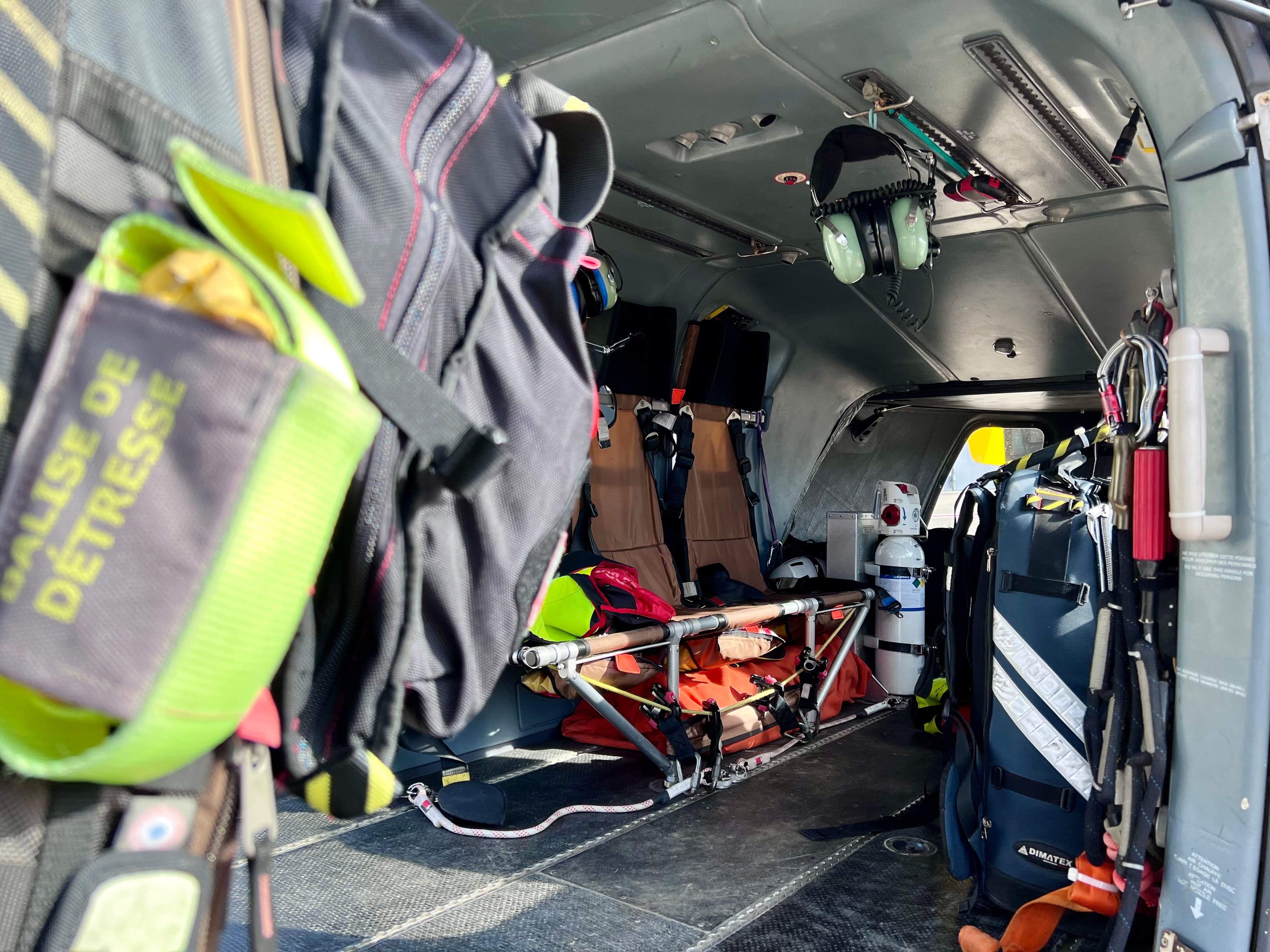
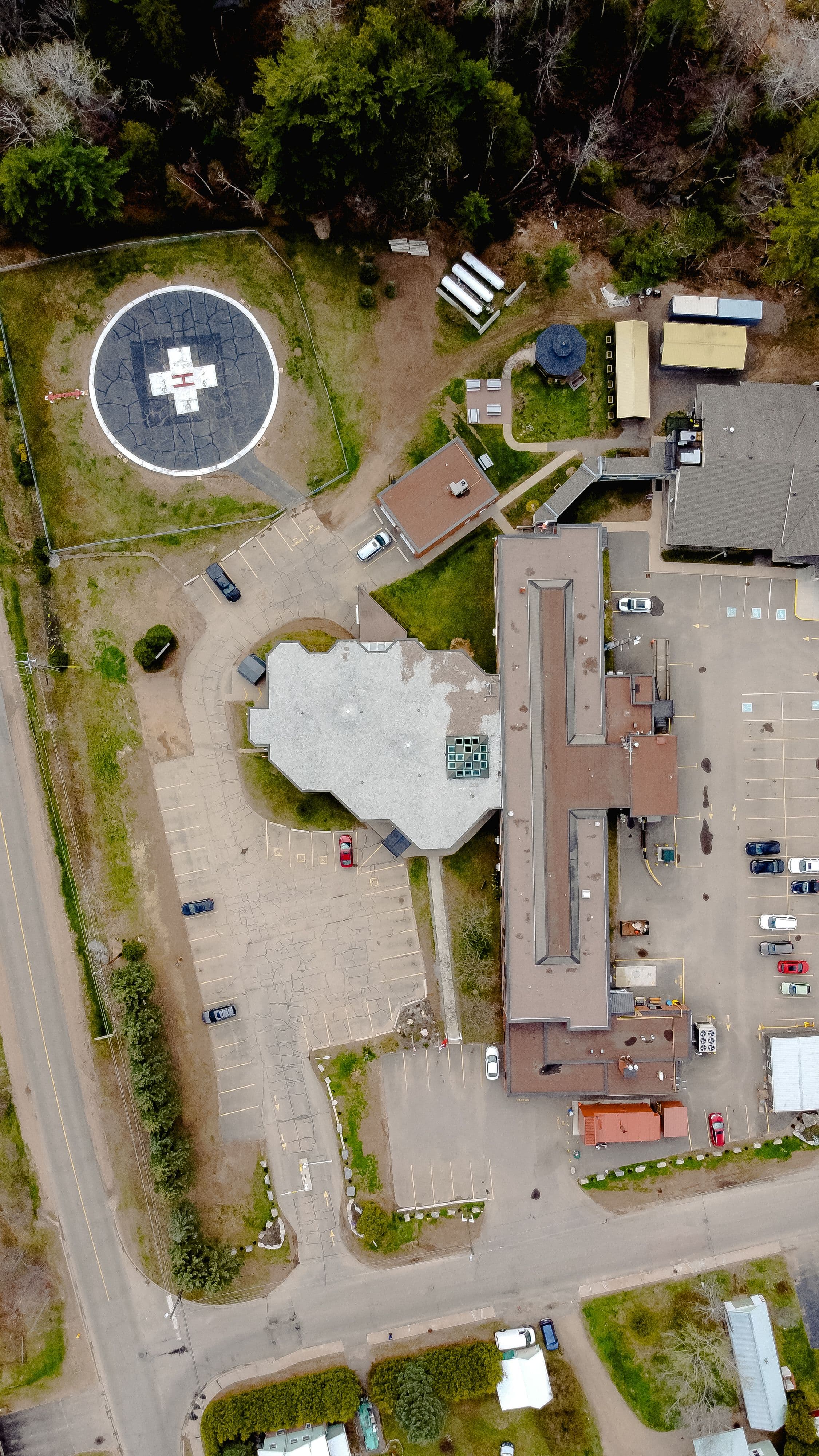
Flight communications readiness depends on the connection between dispatch personnel, crews, aircraft, medical facilities, helipads, radio systems, infrastructure, technology, policies, vendors, partners, and continuity plans. MTM helps programs make those dependencies visible and prepare them together.
Connect dispatch, crews, facilities, partners, vendors, and program leadership.
Align systems, procedures, personnel, testing, support, and transition needs.
Turn assessments, risk findings, and operational experience into action priorities.
Flight Communications Approach
MTM connects operational assessment with infrastructure, radio, technology, procurement, project delivery, documentation, readiness, risk, and performance improvement.
MTM works with leadership, communications personnel, technology teams, clinical and aviation stakeholders, vendors, and partners to understand program structure, service needs, workflows, locations, systems, and priorities.
Dispatch processes, responsibilities, staffing, infrastructure, radio, connectivity, technology, facilities, policies, documentation, partner coordination, risks, and known challenges are reviewed within scope.
Operational needs are translated into clear requirements for the communications center, technology, infrastructure, radio, workflows, policies, vendors, continuity, support, readiness, and performance.
MTM helps connect project management, procurement, vendor responsibilities, implementation activities, schedules, risks, testing, documentation, training alignment, and stakeholder decisions.
Readiness conditions are validated, transition needs are coordinated, operational documentation is strengthened, and improvement priorities are organized for continued program development.
Related Services
Plan radio coverage, consoles, infrastructure, microwave, interoperability, programming, and communications-center design supporting flight operations.
Explore Radio Communications →Coordinate installation, integrations, testing, acceptance, cutover, documentation, and operational readiness for dispatch-center technology.
Explore Technology Implementation →Provide accountable oversight across stakeholders, vendors, budgets, schedules, risks, quality, reporting, and major communications-center milestones.
Explore Project Management →Strengthen Flight Communications
Talk with MTM Solutions about dispatch-center implementation, operational assessment, infrastructure, technology selection, procurement, radio planning, policies, project delivery, readiness, or performance improvement.